El Niño and Global Physical Climate Hazards: An Investor’s Guide
News that the upcoming El Niño event could be the strongest yet is not some niche sustainability topic but something that should concern us all, investors included.
El Niño is a global climate pattern that occurs every 2 to 7 years and involves a spike in Pacific Ocean temperatures leading to disruption in global weather patterns. The most recent El Niño event in 2023/24 has been linked to record global temperatures in 2024.
In May the UN warned that an El Niño event is “high likely” in 2026 and early 2027 and it’s going to be a big one, with severe impacts expected across the globe.
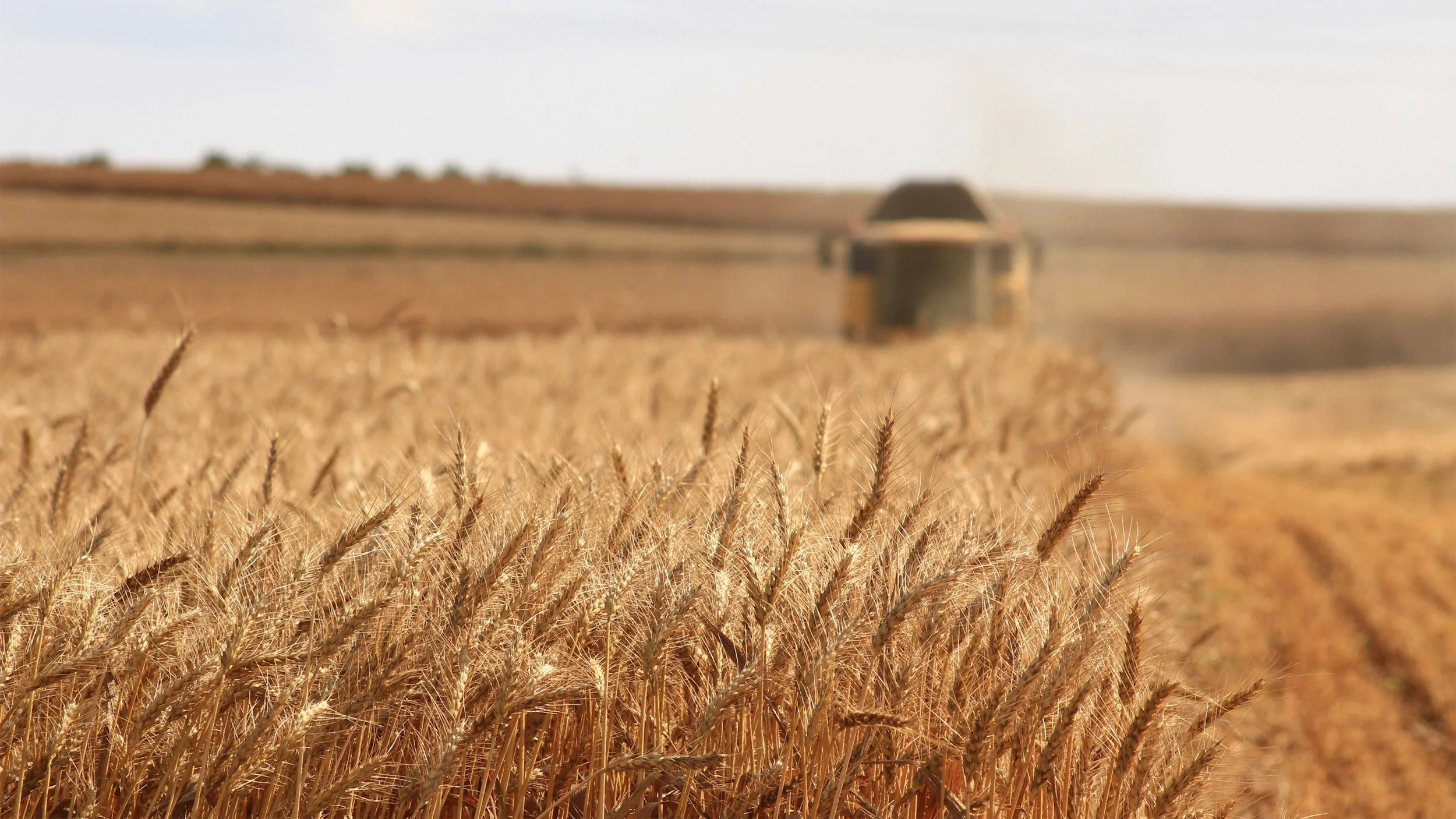
Compounded by record high global temperatures, scientists warn this “super” El Niño could lead to significant impacts ranging from crop failure, food price rises and famine, to infrastructure damage and global supply chain disruption. As well as major humanitarian consequences, financial costs are likely to be significant.
And yet like so many other climate hazards and risks, you won’t find this on the front page of the FT. But we should give this issue more attention, not least since physical climate risks are already a huge economic burden, with global natural catastrophe losses reaching between $320- 368bn in 2024, of which more than 60% was uninsured, according to Munich Re and Aon.
Experts also believe these figures are an underestimate, with the true economic costs much higher once indirect and system-wide impacts are included. Factoring these in, the UNDRR estimates that disaster costs exceed $2.3tn annually.
So why does this matter for investors?
El Niño events can disrupt global commodity supply chains as droughts, floods and changing rainfall patterns reduce crop yields and create regional imbalances in production. This can translate into price volatility and inflationary pressure across key commodities. For example, drought in Southeast Asia could cut rice and palm oil output, limiting global supply and driving price increases that ripple through food markets and related sectors.
Beyond commodities, these disruptions can extend to global supply chains and transport systems, increasing costs and putting pressure on companies’ profits. More broadly, El Niño-driven supply shocks can contribute to higher inflation and weaker growth, influencing interest rates and broader market performance. And while sector impacts may be uneven, these supply shocks are likely to be most severe in sectors like energy, agriculture, infrastructure and industry.
So what can we do?
Unlike most climate-related hazards such as floods and wildfires, we know ahead of time that El Niño is coming which means there are things we can do to prepare.
Start by integrating climate risk into investment risk assessments and monitoring processes. This might also include assessing how extreme weather could affect asset values, supply chains, and cash flows, and potentially embedding this in valuation and due diligence. You can also map exposure to identify high-risk assets e.g. in energy and agriculture.
Use climate scenario modelling (e.g. TCFD-aligned) to assess how different El Niño and other climate-related outcomes could affect sectors, locations, and asset classes relevant to your investments. This may help you to identify portfolio vulnerabilities and opportunities before impacts hit.
Where feasible you might also be able to adjust portfolio allocation and diversification to avoid exposure across commodities, regions and sectors to reduce risks from climate shocks. For example, by avoiding overexposure to drought-prone regions or single crops heavily affected by rainfall shifts.
Engage with portfolio companies to help them to assess and map their risks, then support them to implement adaptation and resilience measures e.g. upgrading infrastructure to withstand extreme weather, putting in place water and other resources management systems, exploring alternative suppliers and transport routes, and developing business continuity and disaster response plans.
Where relevant, invest in climate resilience and adaptation opportunities e.g. green infrastructure, resilient water and energy systems, climate-resistant crops, and climate-adaptive technologies like climate analytics and early warning systems.
For more information on physical climate risk assessment, adaptation and resilience, please get in touch.
Further Reading